Digital Innovation & AI

Ending password sharing in the world's newsrooms

Teams at BBC News, Al Jazeera and CBS ran breaking news from shared accounts. The tools gave them no better option.

Twitter

Twitter, now X, is a global social media platform where users share thoughts, news and media through short-form posts. It operates as a real-time public forum for news, networking and discovering what's being discussed worldwide. This work was carried out when the platform was Twitter.

Twitter
18%

less password sharing

22%

more use of access tools

80%

of bad access data cleared

Professional teams posted to Twitter under one account, at speed, around the clock. At BBC News, Al Jazeera, CBS and Reach PLC, the platform’s account tools assumed one person at one keyboard, so every newsroom built the same workaround: share the password.

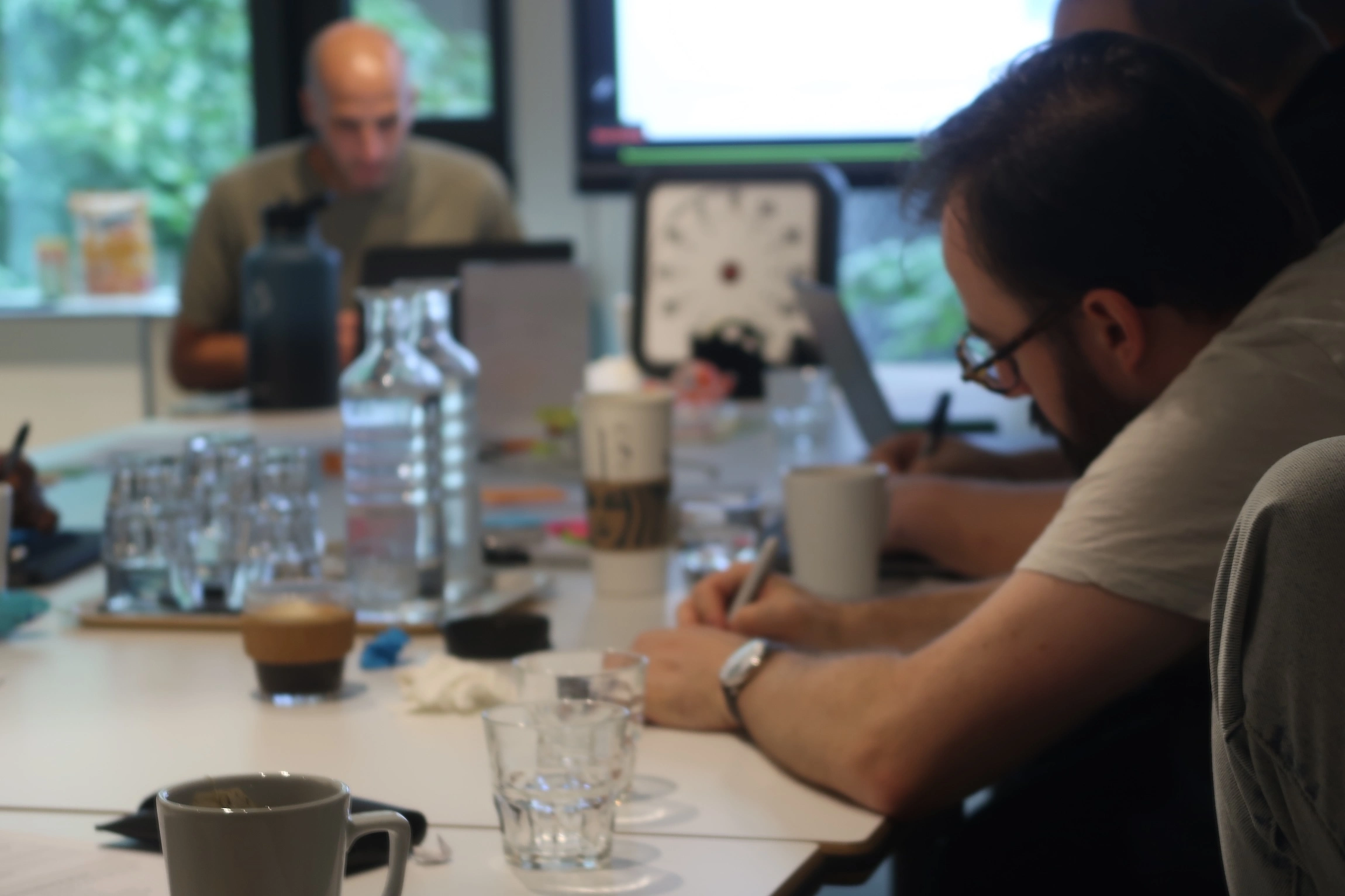
We researched how those teams actually worked and designed a system that matched it. Password sharing dropped 18%.

Before

Breaking news doesn’t wait for permissions. A team covering an unfolding story needs several people able to post now, from wherever they are.

Every newsroom had independently arrived at the same solution, and it was the worst one available. The password went in a shared document, and nobody knew who had posted what.

Account management assumed a single user, and professional teams are not that

Password sharing created obvious security and compliance exposure

Posts were missed because nobody was certain who was logged in

Access data had accumulated for years without anyone able to clean it

After

Password sharing fell 18%. Use of the proper access tools rose 22%. Over 80% of outdated or inactive access data was cleared.

The system let people join teams, hold permissions and post on behalf of an account without a password ever changing hands. It worked because it matched what the teams were already doing rather than asking them to work differently.

Shared access without shared credentials

Clear visibility of who holds what and who posted what

Lower support load from access problems and account recovery

A design aligned to existing technical and security constraints, so it could actually ship

What we did

01

Surveyed at scale.

Over 1,000 professional users, to size the problem rather than assume it.

02

Watched twelve teams work.

Direct interviews and observation inside newsrooms including BBC News and Al Jazeera, mapping the workarounds people had built.

03

Checked it against the data.

Task flows documented and compared with usage analytics, so the research and the numbers told the same story.

04

Sprinted, prototyped, tested.

A design sprint to reimagine shared access, then usability testing and iteration with Twitter's internal teams.

Great product design, professional, so fun to work with and actual results. Thunk built on the previous research work they did for us with solid designs that met our professional users’ needs. Another successful engagement with Thunk.

Felicia Williams, Design Director, Twitter

Our process for Twitter

A disciplined hunt for value — the structure to explore the unknown without the usual cost of getting it wrong.

Find out more

Small ways to break the deadlock. Yes, even yours.

External perspective

1-hour (remote)

Bring us the thing everyone in your organisation disagrees about. We'll tell you what we'd do, whether that involves us or not.

First move

1-day (in person)

One day won't solve everything, but it'll tell you exactly where to start. 'Too many ideas' become one clear plan with the evidence to back it.